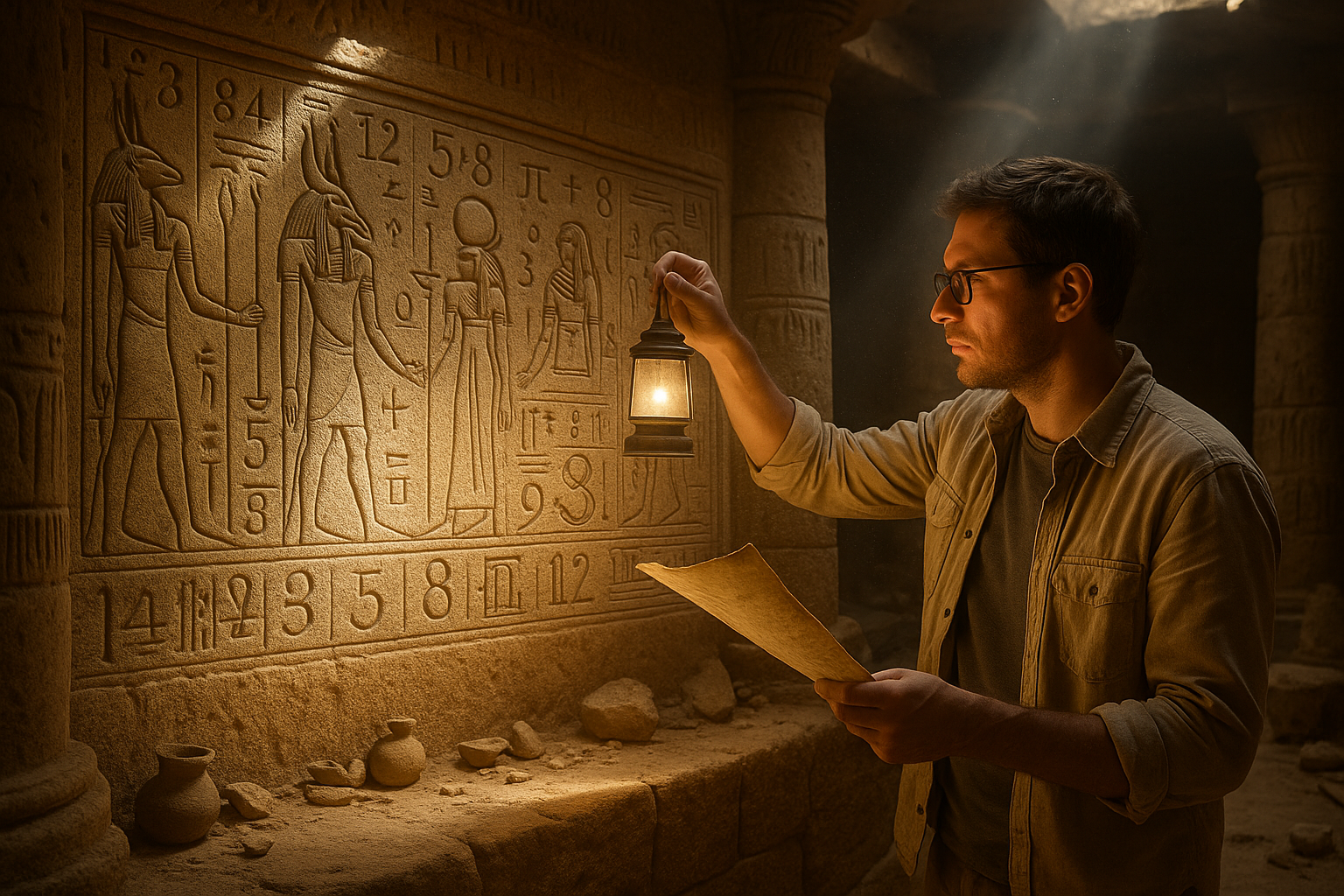
Have you ever walked into a cathedral or an ancient temple and felt an inexplicable sense of awe and tranquility? Perhaps you’ve been struck by the intricate designs and the sheer magnificence of these spiritual structures. This sensation is not just a coincidence, but rather a testament to the profound impact of sacred architecture grids. These grids are the hidden frameworks that orchestrate the divine symmetry and harmony in places of worship, designed to elevate human consciousness and connect us with the celestial. 🏛️✨

Sacred architecture has always been shrouded in mystery and wonder. From the majestic pyramids of Egypt to the intricately carved temples of India, these structures have fascinated humans for centuries. The precision and harmony embedded in their designs are far from random; they are meticulously calculated to reflect universal principles and cosmic patterns. But what is it about these grids that resonates so deeply with us? And how do they succeed in bridging the earthly with the divine?
In this article, we embark on a journey to unlock the mysteries of sacred architecture grids. We’ll delve into the historical roots of these divine designs, exploring how ancient architects incorporated mathematical precision and spiritual symbolism into their work. Our exploration will take us through various cultures and epochs, highlighting how different civilizations have harnessed the power of symmetry and harmony to create spaces that inspire and uplift.
We will start by examining the fundamental principles of sacred geometry—the blueprint behind many spiritual structures. Sacred geometry is a term used to describe the geometric patterns and shapes that are considered to be sacred, reflecting the fundamental structure of the universe. These patterns are not only aesthetically pleasing but are also believed to have metaphysical significance. From the Flower of Life to the Golden Ratio, these forms are integral to the architecture of many spiritual edifices.
Next, we’ll explore the cultural significance of these architectural grids across various religious traditions. In Christianity, for instance, the layout of cathedrals often follows the shape of a cross, symbolizing Christ’s sacrifice and resurrection. Meanwhile, Islamic architecture frequently employs intricate arabesque patterns, which represent the infinite nature of Allah. We’ll look at how these designs are not just decorative but serve as a form of visual theology, conveying profound spiritual truths through the language of geometry.
Our journey will also take us through the techniques and technologies used by ancient builders to realize these grand designs. Despite the limitations of their time, these architects achieved astonishing feats of engineering that continue to baffle modern scientists and historians. We’ll uncover how they used tools like the compass and straightedge to construct structures with impeccable accuracy, adhering to the sacred grids that guided their hands.
Furthermore, we’ll discuss the psychological and emotional effects these sacred spaces have on individuals. Studies have shown that exposure to harmonious architectural environments can induce states of relaxation and heightened awareness. We’ll explore how the interplay of light, sound, and space within these structures contributes to their calming and uplifting effects, transforming them into sanctuaries for the soul.
As we navigate through these topics, we’ll also consider the contemporary relevance of sacred architecture grids. In an age where digital technology and urban sprawl often dominate the landscape, the principles of sacred architecture offer a refreshing reminder of the importance of balance and harmony. We’ll investigate how modern architects are reviving these ancient practices to create spaces that foster connection and contemplation.
In conclusion, the mysteries of sacred architecture grids reveal a profound interplay between mathematics, art, and spirituality. They invite us to reconsider our relationship with the spaces we inhabit and challenge us to look beyond the surface, to see the divine patterns that lie beneath. Join us as we unlock these mysteries and discover the timeless beauty and wisdom embedded in sacred structures around the world. 🌍🔍
Conclusion
## Conclusion
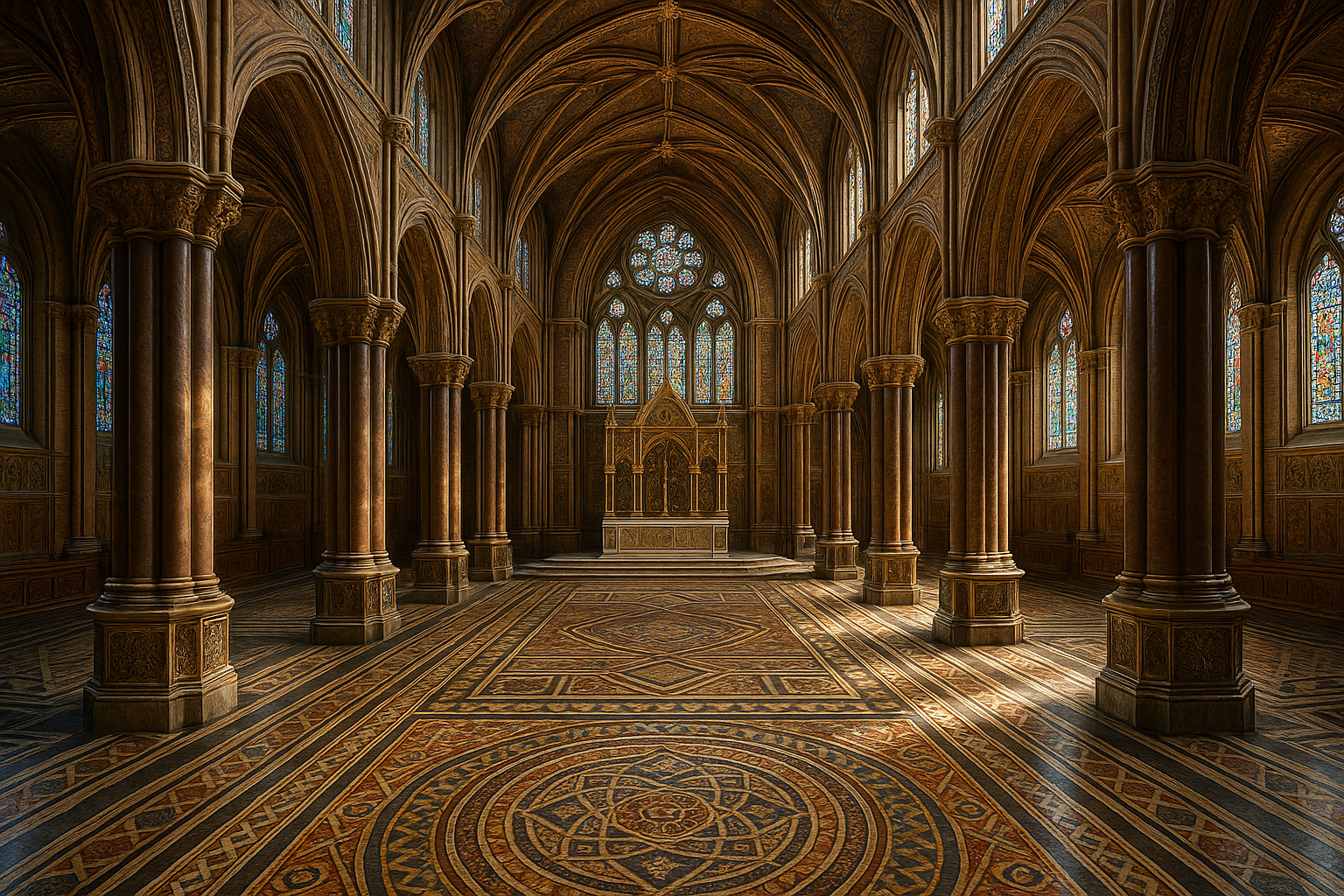
The exploration of sacred geometry and divine grids in architecture reveals a profound truth that spans cultures and centuries: humanity has always sought to bridge the earthly and the divine through the buildings we create. From the precise mathematical ratios of the Parthenon to the cosmic alignments of Angkor Wat, from the golden proportions of Gothic cathedrals to the mandala-inspired temples of Asia, these structures stand as testament to our ancestors’ deep understanding of universal principles. They recognized that certain proportions, patterns, and spatial relationships could elevate a building from mere shelter to a vessel of transcendence, creating spaces where the physical and metaphysical realms intersect.
What makes this ancient wisdom particularly relevant today is its potential to inform modern architectural practice. As we face challenges of disconnection, environmental crisis, and urban alienation, the principles of sacred architecture offer more than aesthetic guidance—they provide a framework for creating spaces that nurture human wellbeing and honor our relationship with the natural world. These divine grids weren’t simply decorative choices or religious symbols; they were sophisticated design systems rooted in observations of nature, astronomy, and human perception. By studying how master builders of the past achieved harmony, proportion, and spiritual resonance, contemporary architects can rediscover techniques for designing buildings that feel fundamentally right, that resonate with something deep within us.
The sacred architecture of our ancestors reminds us that buildings can be more than functional containers—they can be instruments of transformation, spaces that elevate consciousness and connect us to something greater than ourselves. Whether you’re an architect, designer, spiritual seeker, or simply someone who has felt moved by the presence of a magnificent building, understanding these divine grids opens a doorway to experiencing our built environment in an entirely new dimension.