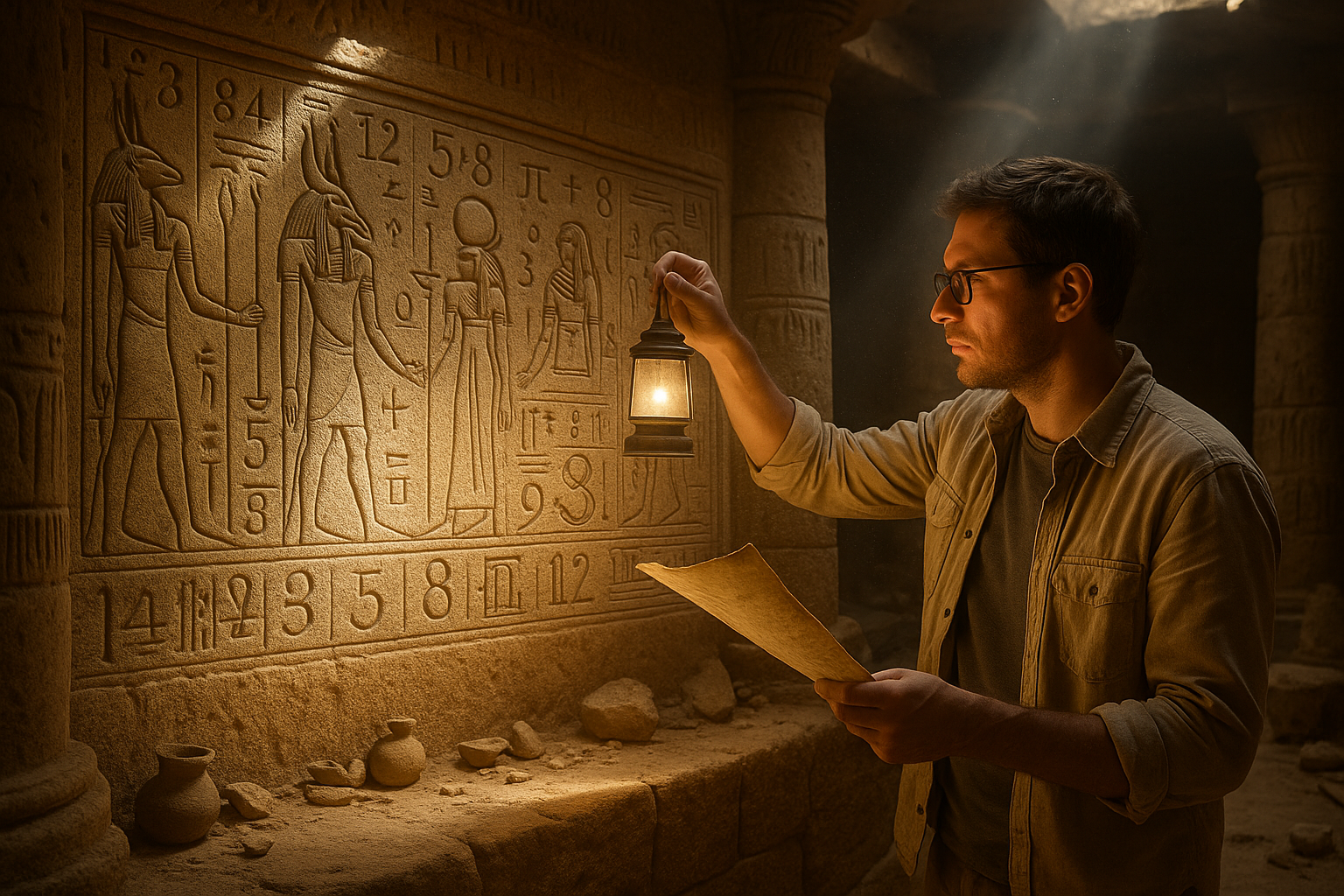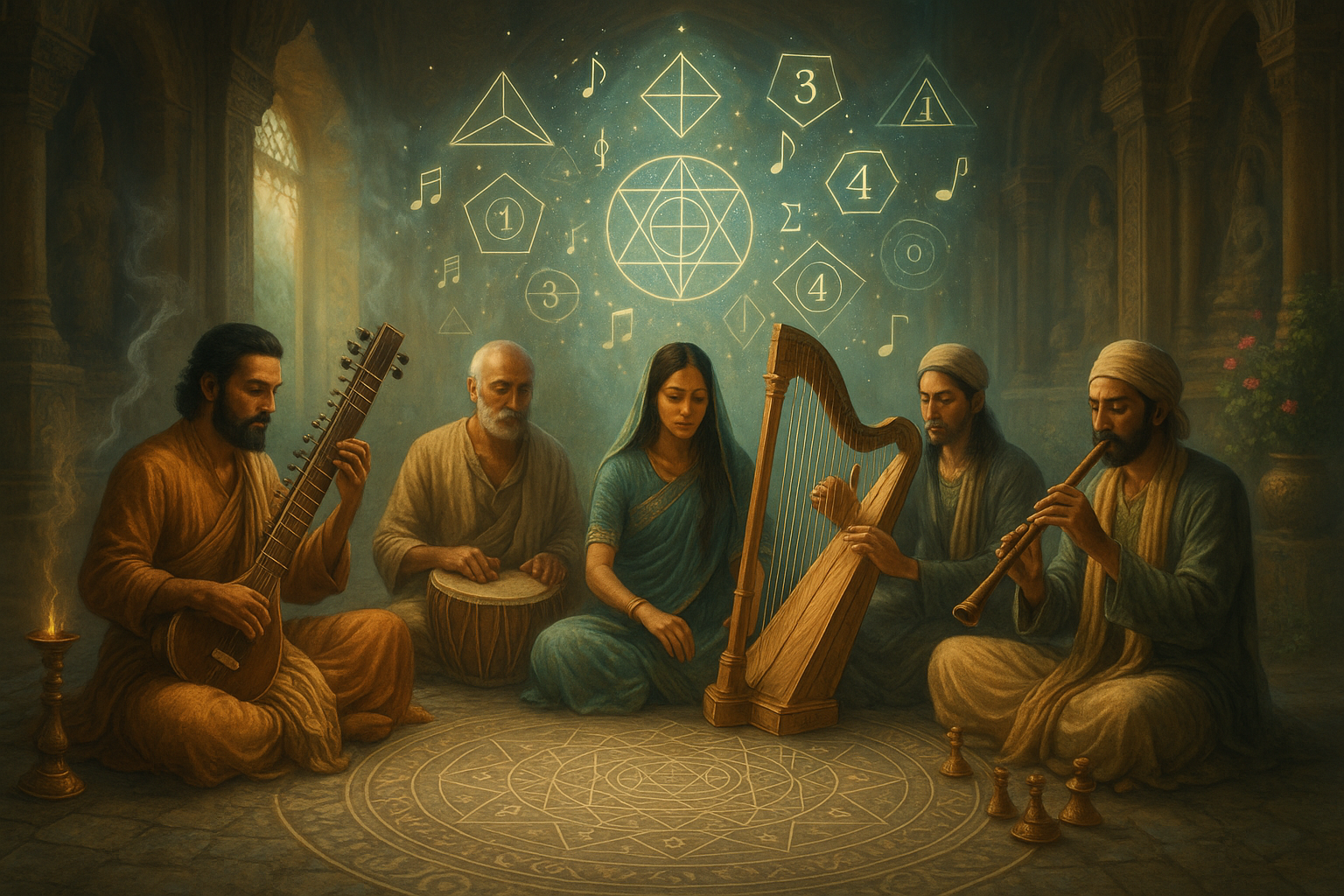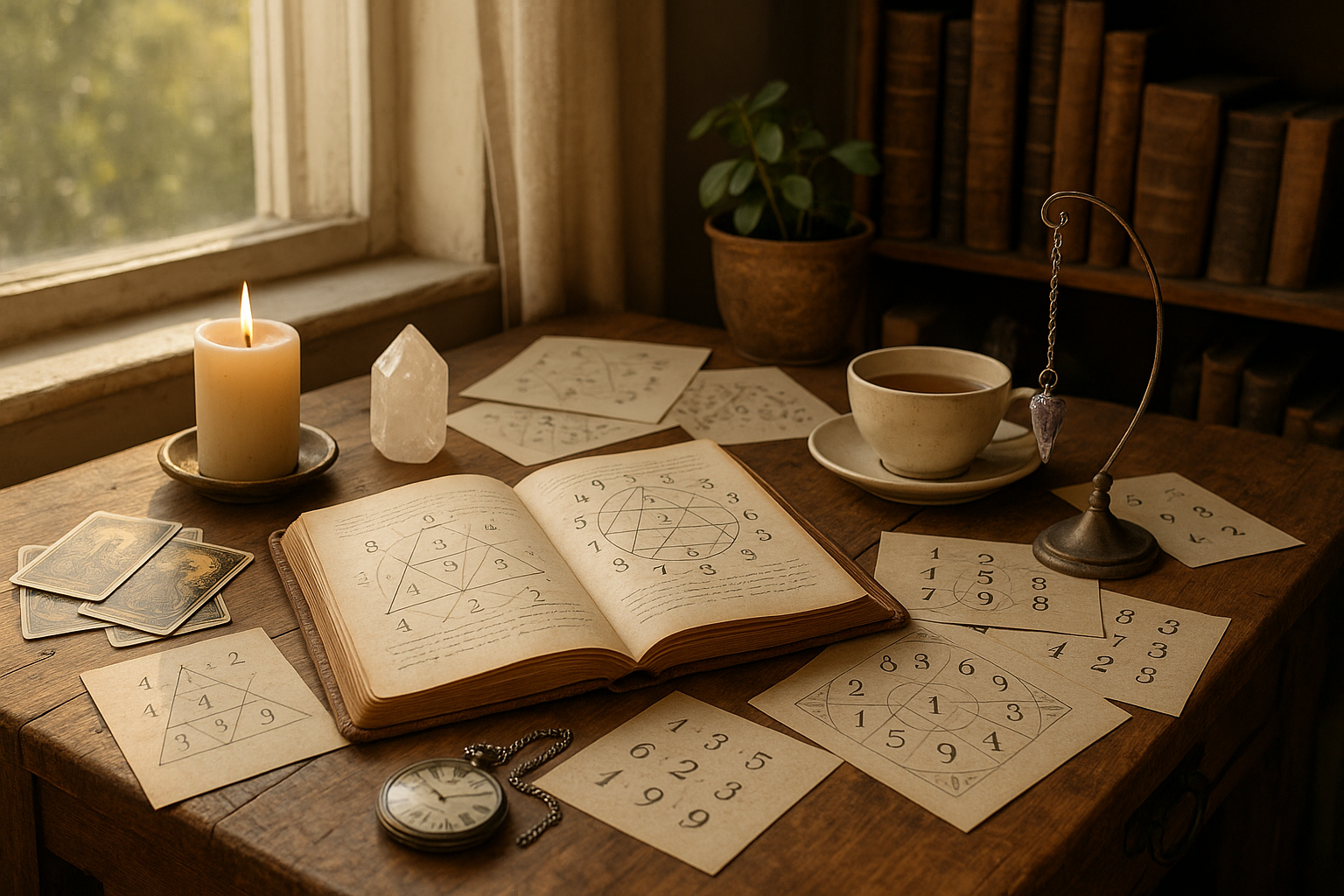
In every corner of the world, across various cultures and epochs, the number three holds a unique and almost mystical significance. From ancient mythology to modern storytelling, triads, or sets of three, have played an integral role in shaping narratives, beliefs, and traditions. But what is it about this sacred number that captures the human imagination so profoundly? 🌟

As we delve into the fascinating realm of mythological trinities, we uncover a treasure trove of stories where the power of three is not just a narrative device, but a lens through which societies understand the universe and their place within it. The power of sacred triads can be seen in the triumvirates of gods, heroes, and natural forces that resonate deeply with cultural identities and spiritual beliefs. These trinities often symbolize completeness, balance, and harmony—concepts that are universally appealing and enduring.
In this exploration, we will journey through the intriguing tales of the most renowned mythological trinities from different cultures, highlighting their roles and significance. Whether it’s the mighty trio of Zeus, Poseidon, and Hades ruling over the realms of heaven, sea, and the underworld in Greek mythology, or the revered Hindu trinity of Brahma, Vishnu, and Shiva, representing creation, preservation, and destruction, these triads encapsulate fundamental aspects of life and the cosmos.
But why do these trinities captivate us? 🤔 One reason might be the inherent balance and symmetry that the number three represents. It is a number that often signifies a beginning, middle, and end, embodying a sense of completeness. In storytelling, the rule of three is a powerful technique used to create memorable narratives, providing rhythm and pattern that engage and resonate with audiences. This concept echoes across different domains, from fairy tales to religious doctrines, reinforcing the deep-rooted human affinity for the number.
Our exploration will not only cover the ancient and well-known but also bring to light lesser-known trinities that are equally captivating. For instance, the Celtic triple goddess, comprising the maiden, mother, and crone, offers profound insights into the cycles of life and womanhood. Similarly, the Norse mythological trio of Odin, Thor, and Freyr illustrates the complexities of leadership, strength, and fertility.
Moreover, the discussion will extend beyond mythology to examine how these triads influence modern culture, art, and psychology. The impact of these mythological trinities can be seen in literature, film, and even branding, where the power of three is harnessed to create compelling and persuasive messages. Consider how many iconic story arcs revolve around a trinity of characters or how brands often use three-part slogans to capture consumer attention. 🎬
As we navigate through these fascinating narratives, we will also consider the psychological underpinnings of why trinities are so effective. Theories suggest that the human brain is wired to recognize and respond to patterns, and triads offer a simple yet profound pattern that is easy to grasp and remember. This cognitive inclination might explain why triads are prevalent across cultures and why they continue to be a powerful storytelling tool.
By the end of this exploration, you’ll gain a deeper appreciation for the pervasive and enduring nature of sacred triads. These mythological trinities are not mere relics of ancient storytelling; they are vibrant threads woven into the fabric of cultural consciousness, influencing how we perceive the world and our place within it. Join us as we unravel the mysteries of these powerful threesomes, and discover the timeless allure of the number three. 🚀
Conclusion
## Conclusion
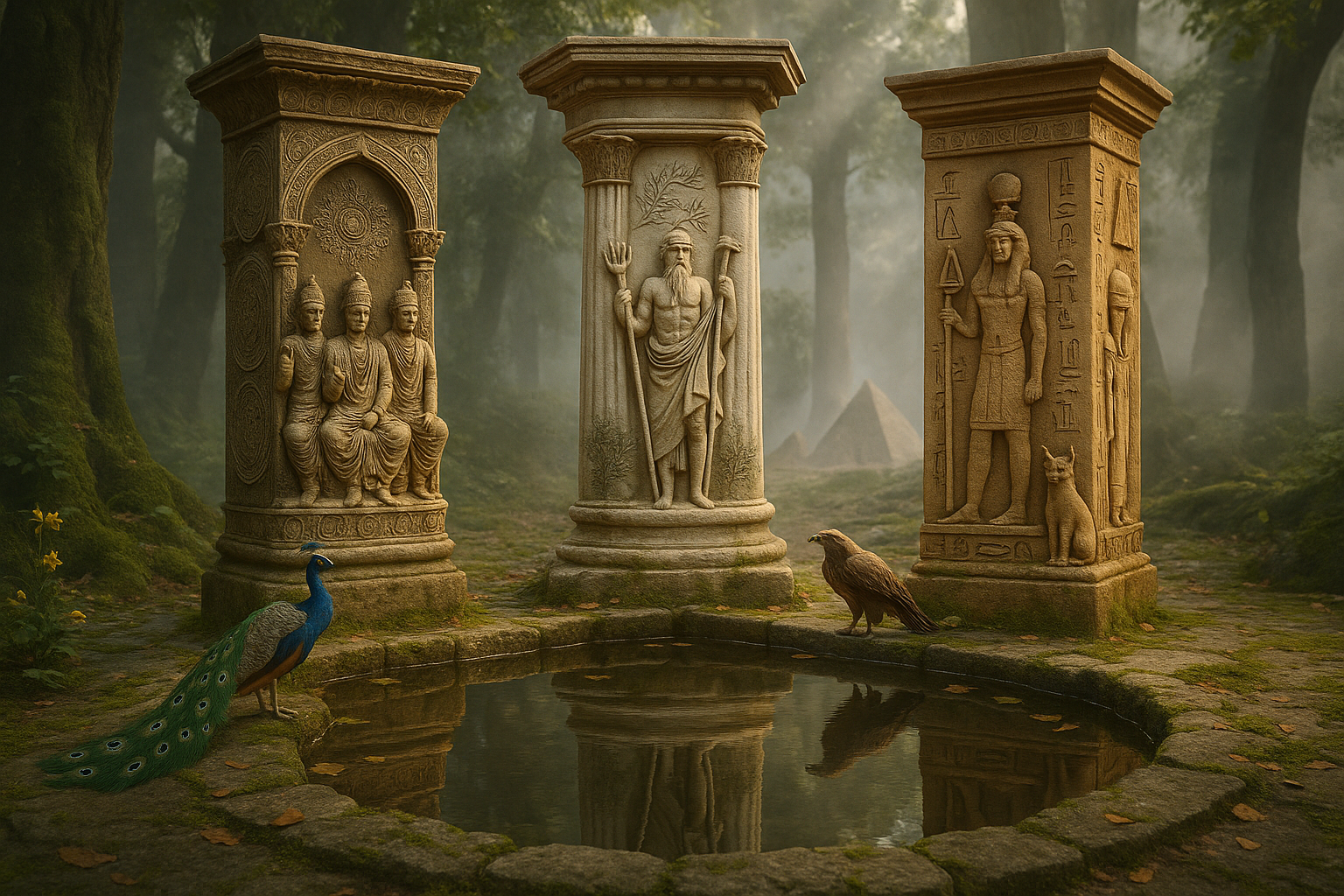
Throughout human history, the sacred triad has served as a powerful framework for understanding the divine, the natural world, and our place within it. From the Hindu Trimurti of Brahma, Vishnu, and Shiva to the Christian Trinity and the Celtic triple goddesses, these threefold representations transcend geographical boundaries and cultural differences. What makes these triads so enduring is their ability to capture complex spiritual concepts in a balanced, memorable form. The number three itself carries symbolic weight across civilizations—representing completeness, harmony, and the cyclical nature of existence. Whether expressing creation, preservation, and destruction, or maiden, mother, and crone, these sacred groupings reflect humanity’s innate need to organize and comprehend the mysteries of existence.
The remarkable similarities between mythological triads from disparate cultures suggest something fundamental about human consciousness and spiritual expression. While each tradition developed independently with its own unique characteristics and theological nuances, the recurring pattern of divine threesomes points to universal truths about balance, transformation, and the interconnectedness of seemingly opposite forces. These sacred triads remind us that ancient peoples possessed sophisticated philosophical frameworks for grappling with life’s biggest questions. They weren’t merely primitive attempts to explain the unexplainable, but rather elegant systems of thought that continue to resonate today.
As we explore these mythological sacred triads, we gain not only knowledge of ancient belief systems but also insight into the timeless patterns that shape human spirituality. These divine threesomes continue to influence modern religion, art, literature, and philosophy, proving that the wisdom embedded in these ancient symbols remains relevant to contemporary seekers. The sacred triad stands as testament to humanity’s enduring quest to find meaning, order, and transcendence in an ever-changing world.