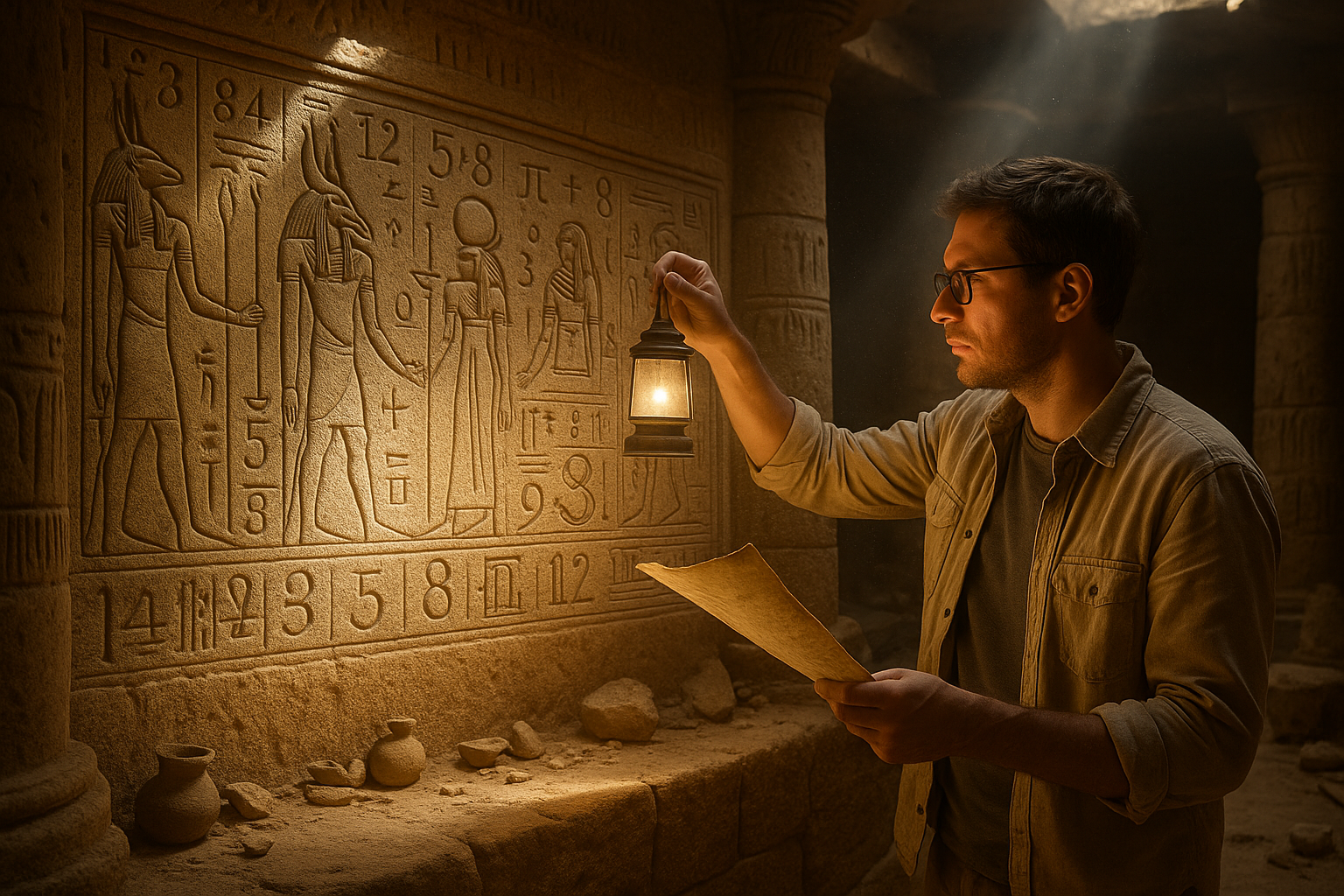
Imagine a civilization so advanced in its understanding of time and the cosmos that its calendar could predict solar eclipses, mark celestial events, and guide agricultural cycles with precision. This is the world of the ancient Maya, a civilization that thrived in Mesoamerica for over two millennia. At the heart of their sophisticated culture lies the enigmatic Mayan calendar system, a complex web of cycles, numbers, and symbols that continue to captivate historians, archaeologists, and numerology enthusiasts alike. 🌟

As we delve into the mysteries of the Mayan calendar numbers, we’ll embark on a journey through time and space, exploring how the Maya perceived and measured the passage of time. This is more than just a look at an ancient artifact; it’s a fascinating dive into a worldview that saw time as a series of interconnected cycles, each with its own spiritual significance and influence on daily life. The Mayan calendar is not merely a tool for marking dates; it is a profound expression of the Maya’s relationship with the universe, a numerological system that reflects their deep understanding of the cosmos and human existence.
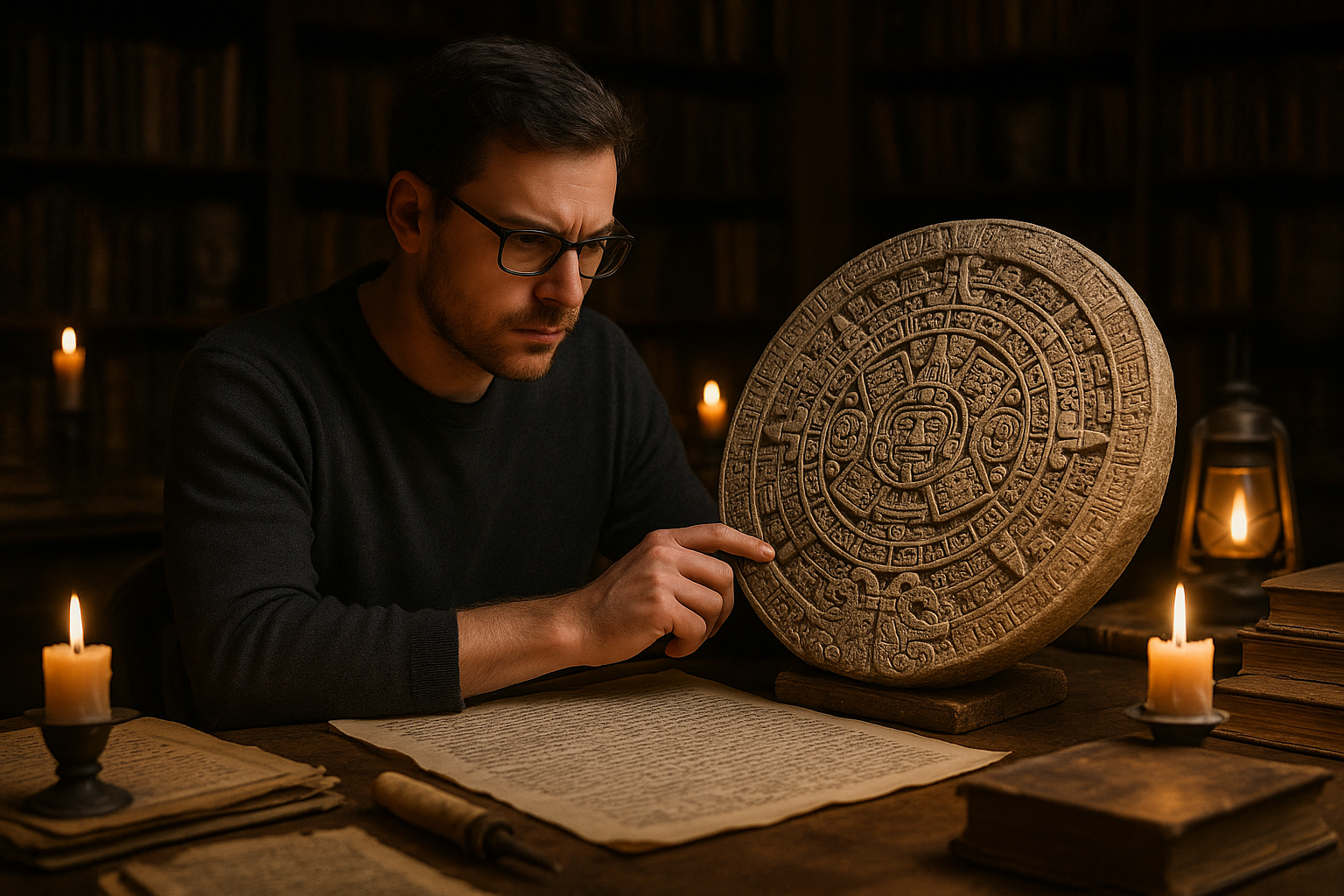
The allure of the Mayan calendar lies not only in its complexity but also in its beauty and precision. Comprised of three distinct yet interrelated calendars—the Tzolk’in, the Haab’, and the Long Count—the system is a testament to the Maya’s advanced mathematical and astronomical knowledge. The Tzolk’in, a 260-day ceremonial calendar, is intertwined with the 365-day solar calendar known as the Haab’. Together, these two cycles create the Calendar Round, a 52-year period that was used to schedule religious ceremonies and agricultural activities.
But perhaps the most intriguing component of the Mayan calendar system is the Long Count, a linear count of days that extends over thousands of years. It is the Long Count that famously marked the end of a significant cycle on December 21, 2012, a date that sparked widespread speculation and interest in Mayan prophecies and their views on time and renewal.
Throughout this article, we will uncover the layers of meaning embedded within the Mayan calendar numbers. We’ll explore how these numbers were used not only to track time but also to influence social, political, and spiritual life. You’ll discover how the Maya used a base-20 (vigesimal) numerical system, which enabled them to perform complex calculations and develop a calendar system that was more accurate than those of many contemporary civilizations.
We’ll also examine the cultural and spiritual significance of Mayan numerology, understanding how numbers were perceived as sacred and imbued with power. Each number had a unique symbolism and role within the cosmological framework, influencing everything from rituals to architecture. By decoding these numerical mysteries, we gain insight into the Maya’s sophisticated worldview and their quest to harmonize human life with the rhythms of the universe.
In addition to exploring the technical aspects of the Mayan calendar, we’ll consider the broader implications of this ancient system in today’s world. As we unlock the secrets of Mayan numerology, we find parallels in modern numerological practices and a renewed appreciation for the interconnectedness of time, nature, and human experience. Could these ancient insights inspire us to rethink our own relationship with time and the cosmos? 🤔
Join us on this fascinating journey as we unravel the mysteries of the Mayan calendar numbers. From the intricacies of its mathematical design to the profound spiritual teachings it embodies, the Mayan calendar offers a window into a world where time is a living, breathing entity. Whether you’re a history buff, a numerology enthusiast, or simply curious about the wonders of ancient civilizations, this exploration promises to enrich your understanding and appreciation of one of history’s most intriguing legacies.
Conclusion
## Bringing Ancient Numbers Into Modern Understanding
The Mayan calendar system stands as one of humanity’s most sophisticated achievements in mathematics and astronomy. What might initially appear as cryptic symbols and complex number sequences reveals itself to be an elegant and remarkably accurate method of tracking time across vast epochs. The Maya didn’t simply count days—they wove together multiple calendrical systems that tracked celestial movements, agricultural cycles, and spiritual significance with stunning precision. By understanding the basic principles of their vigesimal number system, the interlocking gears of the Tzolk’in and Haab calendars, and the grand sweep of the Long Count, we gain insight into a civilization that viewed time as both cyclical and linear, sacred and practical.
What makes the Mayan calendar particularly fascinating is how it challenges our modern assumptions about timekeeping. While we’ve grown accustomed to a single, linear calendar system, the Maya recognized that different aspects of life require different ways of measuring time. Their ability to calculate dates thousands of years into the past and future, predict astronomical events with remarkable accuracy, and maintain multiple synchronous calendar systems demonstrates a level of mathematical sophistication that continues to impress scholars today. The infamous 2012 phenomenon, though wildly misinterpreted, did succeed in bringing widespread attention to this incredible system and sparked renewed interest in Mayan achievements.
Understanding Mayan calendar numbers opens a window into how this ancient civilization perceived their place in the cosmos. Their numbers weren’t just tools for calculation—they were imbued with meaning, connected to deities, and fundamental to their worldview. Today, descendants of the Maya still use elements of these traditional calendars, keeping alive a mathematical and astronomical legacy that has endured for over two millennia and continues to captivate anyone who takes the time to decode its elegant mysteries.