In a world bustling with dynamic shapes and intricate patterns, one might wonder why the humble square, a shape so seemingly simple, holds such profound significance. Yet, across cultures and throughout history, squares have emerged as powerful symbols, representing ideas as diverse as balance, stability, and the Earth itself. 🌍 This article delves into the enigmatic world of squares, unraveling the layers of meaning embedded within this geometric form and exploring its symbolic connections to the natural and metaphysical worlds.

Squares are often overlooked, overshadowed by the dynamic energy of circles and the dramatic tension of triangles. However, this unassuming shape serves as a cornerstone in both art and architecture, as well as spiritual and cultural symbolism. The significance of squares goes beyond their geometric simplicity; they embody a range of concepts that are fundamental to human understanding and interpretation of the world.
One of the most compelling aspects of the square is its association with the Earth. Unlike circles, which represent the heavens or eternity with their endless curves, squares are grounded. They symbolize the physical realm, reflecting the four cardinal directions, the four elements, and the four seasons. This connection to nature is not just abstract but deeply ingrained in the practical aspects of daily life and architectural design. 🏠
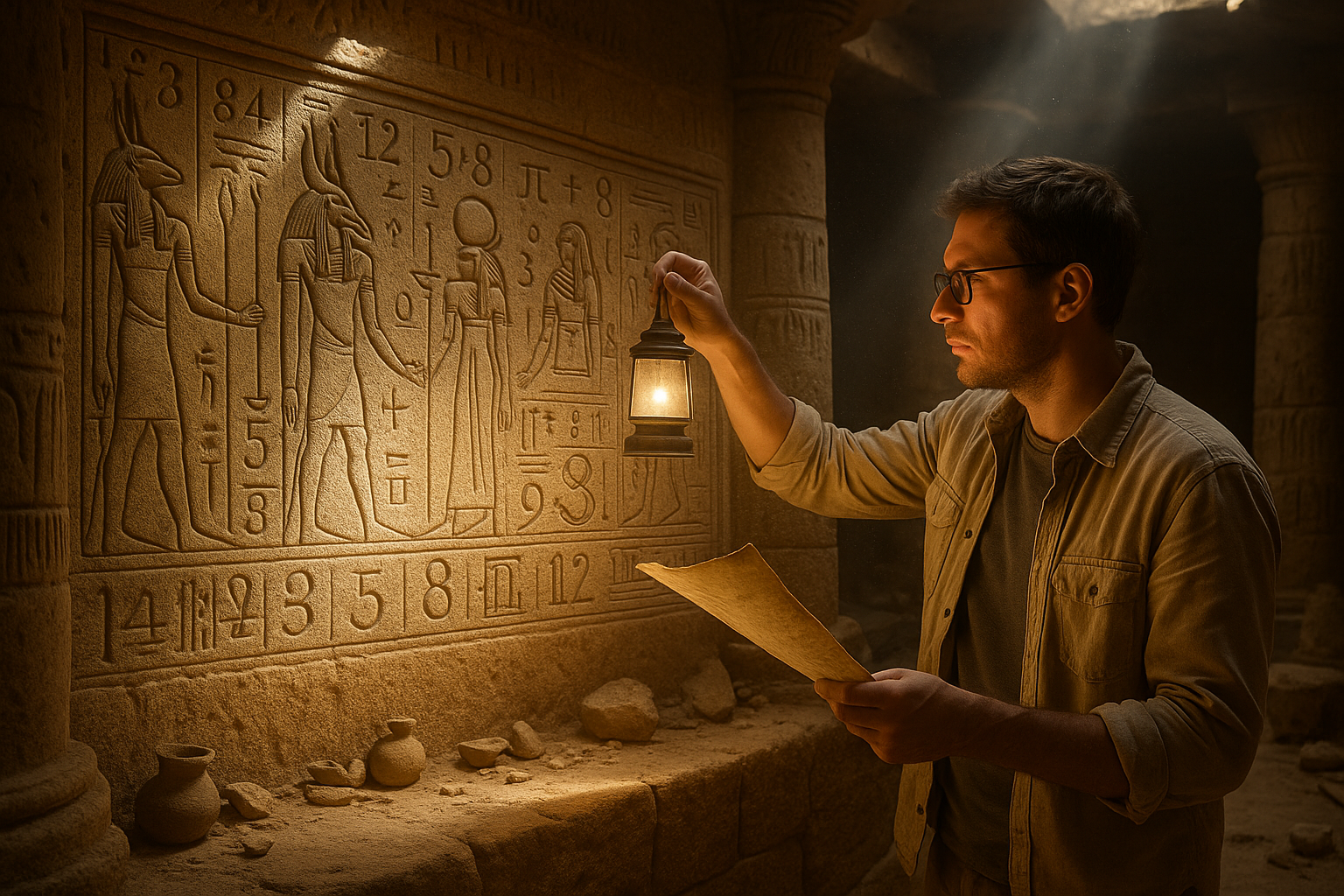
As we navigate through this exploration, we will first delve into the historical context of squares as symbols. From ancient civilizations to modern interpretations, squares have been used to represent order, rationality, and human mastery over chaos. This historical journey will take us through the pyramids of Egypt, the temples of Greece, and the mandalas of Eastern traditions, each illustrating the diverse yet interconnected symbolism of squares.
Next, we will examine the square’s role in architecture and art. The use of squares in design is not merely aesthetic; it carries with it a sense of balance and proportion. Squares form the foundation of grid systems, influencing urban planning and architectural harmony. In art, the square has been a canvas for exploration and expression, from the mathematical precision of Renaissance artists to the abstract works of modern pioneers like Piet Mondrian.
In addition to their historical and aesthetic significance, squares also hold deep spiritual meanings. Many cultures have imbued the square with metaphysical properties, seeing it as a symbol of stability and protection. In sacred geometry, the square is often seen as a vessel for spiritual truth, representing the material world’s intersection with the divine. We will explore these spiritual interpretations and their relevance in contemporary spiritual practices. ✨
Furthermore, the square plays a crucial role in the realm of mathematics and science. Its properties form the basis of many fundamental theories and equations. The Pythagorean theorem, for example, is a testament to the square’s importance in mathematical principles that have stood the test of time. We will uncover how these mathematical attributes contribute to our understanding of the physical universe.
As we conclude our exploration, we will consider the modern implications of square symbolism in technology and digital spaces. In a world increasingly dominated by screens and pixels, the square has become a ubiquitous element in the virtual landscape. This section will reflect on how the digital revolution has transformed our interaction with this age-old symbol and what it means for the future of square symbolism.
By the end of this article, readers will gain a comprehensive understanding of the square as a powerful symbol in both historical and contemporary contexts. Whether in the realm of art, architecture, spirituality, or technology, the square’s enduring significance is a testament to its universal appeal and its profound impact on human culture and understanding. Join us on this journey to uncover the hidden power of squares, and discover how this simple shape continues to shape our world. 🟦
Conclusion
## Bringing It All Together
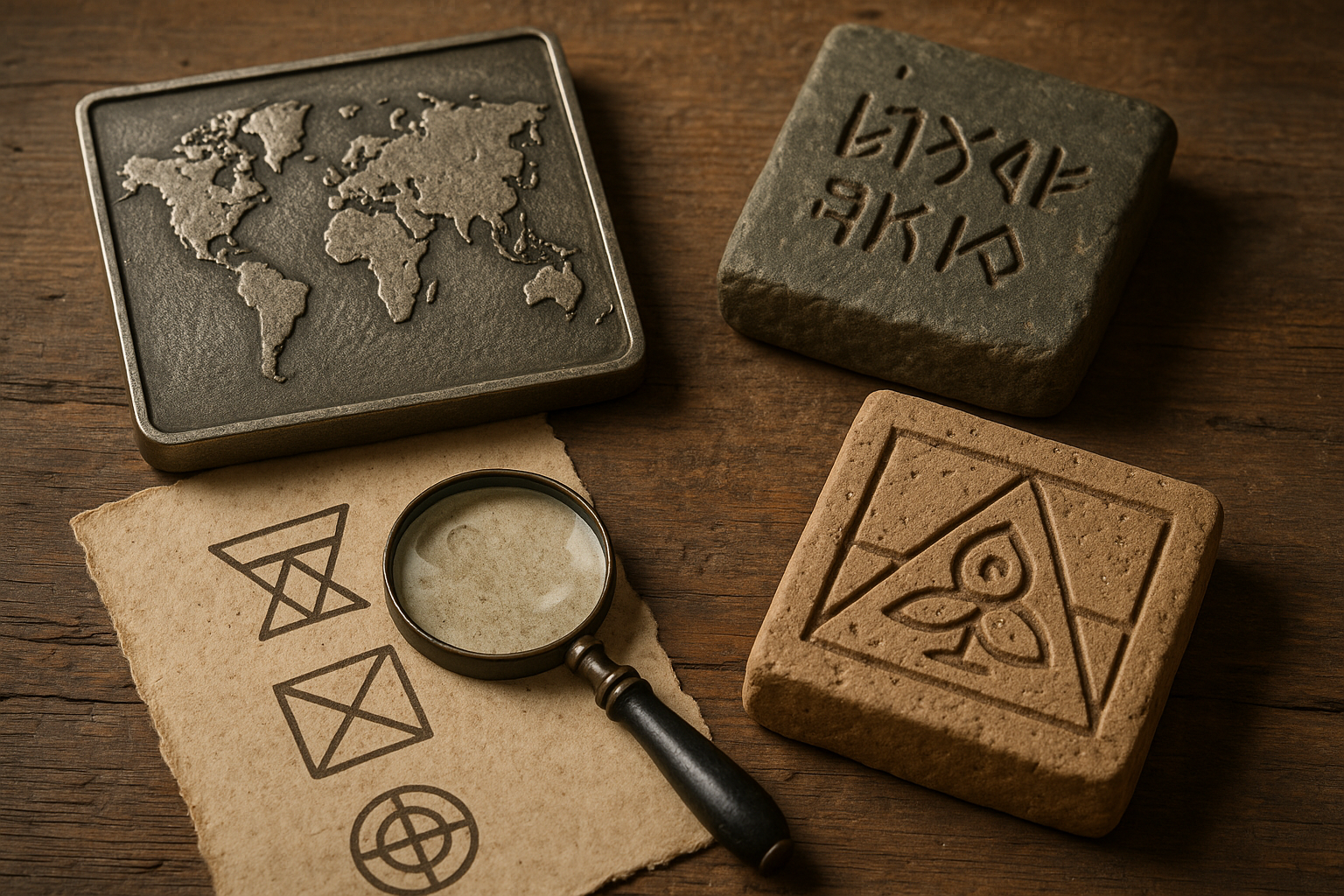
The square has endured through millennia as one of humanity’s most profound symbols of earthly existence, and understanding its significance enriches our appreciation of art, architecture, spirituality, and even our daily lives. From ancient temples aligned with cardinal directions to modern city grids that organize urban spaces, the four-cornered form continues to ground us in the physical realm. When you encounter a square in religious iconography, architectural blueprints, or cultural artifacts, you’re witnessing a visual language that speaks to stability, order, and the tangible world we inhabit. This geometric shape reminds us that while circles may represent the infinite and triangles the divine, squares belong firmly to the realm of human experience and earthly manifestation.
What makes earth symbolism particularly fascinating is how consistently it appears across diverse cultures that had no contact with one another. Whether in Chinese philosophy’s association of earth with the square, Native American medicine wheels marking the four directions, or medieval European representations of the material world, humanity has collectively understood and expressed similar truths through this simple geometric form. This universal recognition suggests something deeper than cultural coincidence—perhaps an intuitive understanding of how we orient ourselves in physical space and create meaning from the world around us.
As you move through your day, take notice of the squares surrounding you. From the buildings that shelter you to the screens you gaze into, from garden plots to picture frames, these four-sided shapes are quietly anchoring your experience in the here and now. The next time you see a square, whether in art, nature, or human design, you’ll recognize it not just as a shape, but as an ancient symbol connecting you to earth’s solid ground and humanity’s eternal quest to make sense of our material existence.