The octagon, with its mesmerizing geometry and balanced symmetry, has intrigued human civilizations for centuries. This shape, an eight-sided polygon, is not merely a mathematical concept; it holds profound symbolic and mystical significance. But why have octagons been so prominently featured in ancient temples and churches around the world? 🌍

From the towering minarets of Islamic architecture to the serene sanctuaries of early Christian churches, octagons have been employed with deliberate intention and reverence. They are more than just architectural choices; they are imbued with spiritual symbolism, representing the harmonious balance between the material and spiritual realms. This article delves deep into the enigmatic world of octagons, exploring their sacred geometry and the mystical power they hold in religious architecture.
In the sacred architecture of the past, every element, every detail, was meticulously planned. The octagon stands out as a recurring motif, bridging the earthly with the divine. But how did this shape become a universal symbol of spiritual harmony? And what secrets do these ancient structures hold within their geometric embrace?
Our journey begins by examining the roots of sacred geometry, a tradition that sees shapes and proportions as the building blocks of the universe. For many cultures, these geometric forms are not just aesthetically pleasing but hold deeper cosmic significance. The octagon, in particular, symbolizes regeneration, transition, and infinity, qualities that resonate with spiritual transcendence. 🌀
In ancient temples, the octagon often served as a powerful focal point, guiding worshippers’ minds towards contemplation and enlightenment. Its symmetry represents the balance of dualities—heaven and earth, spirit and matter, known and unknown. This duality is not merely a philosophical concept but a lived experience for those who sought solace and connection within these sacred spaces.
As we explore various historical sites, we’ll uncover how different cultures interpreted the octagon. In the Byzantine era, architects skillfully employed the octagonal design in church domes, believing it to reflect celestial order. Meanwhile, Islamic architects incorporated octagonal patterns into their mosques, aligning them with the divine order of the universe. The use of octagons in these religious edifices was a deliberate attempt to create a space that resonated with both the physical and metaphysical realms.
Beyond historical and religious contexts, the octagon also intersects with the esoteric and mystical. Many believe that sacred geometry, including the octagon, can influence energy flow and vibrational frequencies within a space. This belief extends to modern interpretations, where spiritual practitioners incorporate octagonal designs into their practices, aiming to create harmony and balance. ✨
In addition to exploring historical and spiritual aspects, we’ll delve into the architectural techniques that have allowed these octagonal wonders to endure through the ages. The skill and ingenuity required to construct these complex structures speak to the deep understanding and reverence ancient builders had for this sacred shape.
Moreover, we’ll investigate how the octagon continues to inspire contemporary architecture and spiritual practices, bridging ancient wisdom with modern innovation. By appreciating the enduring allure of this shape, we gain insights into how sacred geometry influences not only our buildings but also our perception of the world.
As we journey through time, from ancient civilizations to today’s modern society, the octagon remains a testament to humanity’s quest for understanding and connection. Through its lines and angles, it invites us to ponder our place in the cosmos and the unseen forces that shape our reality.
This article aims to offer not just an academic exploration but an invitation to see beyond the physical, to appreciate the octagon’s role as a bridge between worlds. As we delve deeper, prepare to uncover the hidden layers of meaning that this mystical shape holds and how it continues to inspire awe and wonder in those who seek its wisdom. 🚀
Conclusion
## A Journey Through Sacred Geometry
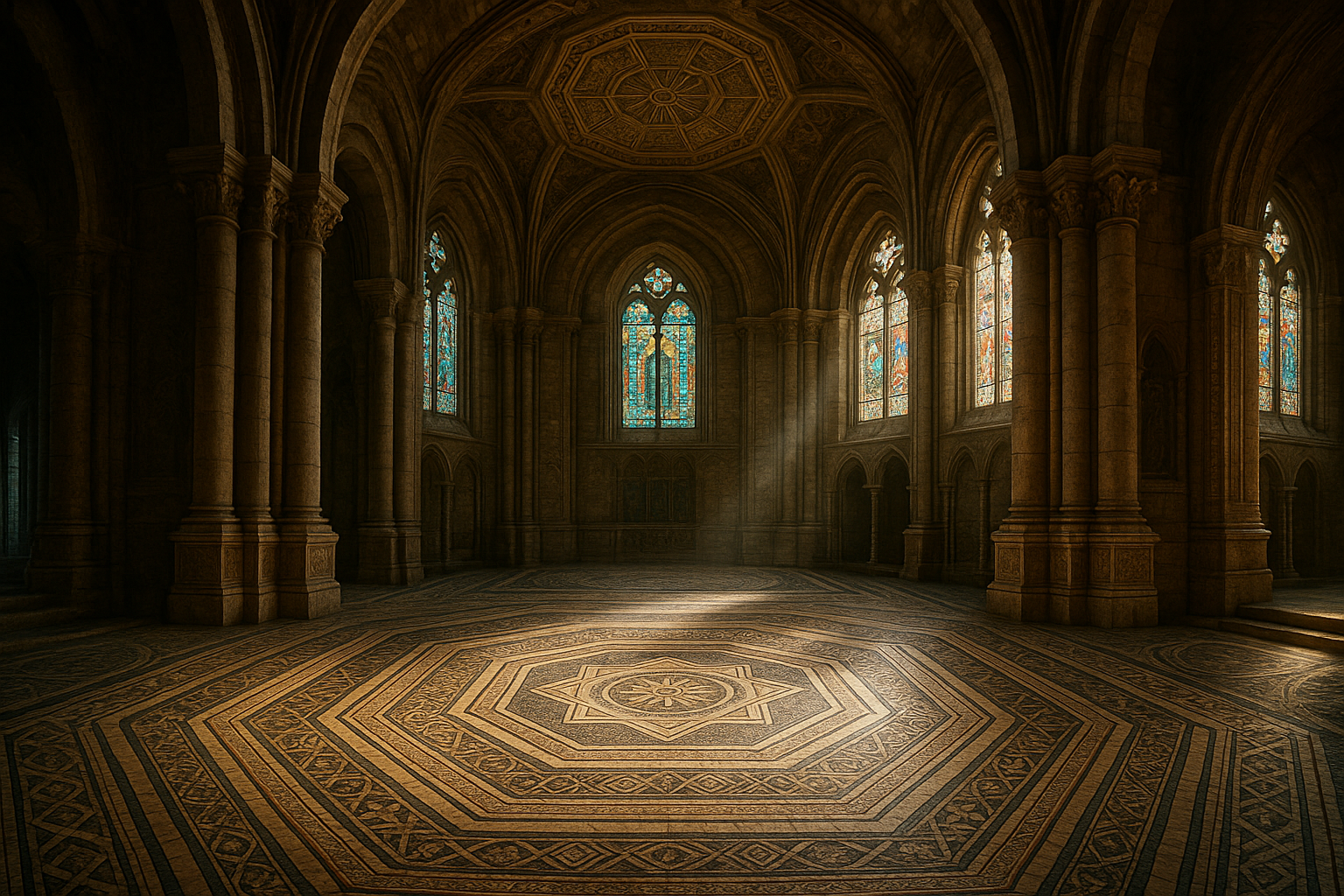
As we’ve explored throughout this journey into sacred octagons, these eight-sided structures represent far more than mere architectural curiosities. They stand as powerful testaments to humanity’s enduring quest to bridge the earthly and the divine. From the Dome of the Rock in Jerusalem to the Tower of the Winds in Athens, octagonal temples have captivated pilgrims, worshippers, and visitors for millennia. Their geometric perfection symbolizes the transition between the square (representing earth) and the circle (representing heaven), creating spaces where the material and spiritual realms intersect. This mathematical harmony wasn’t accidental—ancient architects understood that sacred geometry could elevate the human spirit and create an atmosphere conducive to contemplation, prayer, and transcendence.
The persistence of octagonal design across diverse cultures and religions reveals something profound about human spirituality. Whether in Christian baptisteries, Islamic shrines, Buddhist stupas, or ancient pagan temples, the octagon appears again and again as a shape chosen to house the sacred. These structures often served as sites of transformation—places where initiates underwent baptism, where pilgrims experienced spiritual awakening, or where communities gathered to celebrate the mysteries of existence. The eight sides have been associated with renewal, resurrection, and cosmic balance, making them ideal for spaces dedicated to transformation and enlightenment.
Today, as we stand before these ancient monuments or study their architectural plans, we’re reminded that the search for meaning through sacred space is timeless. These mystical temples continue to inspire modern architects and spiritual seekers alike, proving that certain geometric principles resonate deeply within the human psyche. The sacred octagon remains a powerful symbol of our eternal desire to create spaces where earth touches sky, where form meets spirit, and where architecture becomes prayer made manifest in stone.