The number seven has always held a mystical allure, a kind of magic that transcends cultures, religions, and eras. From the seven wonders of the ancient world to the seven colors of the rainbow, this number resonates with a sense of completeness and perfection. But why is seven so revered? What is it about this particular number that seems to touch something deep within the human psyche? 🤔

As we delve into the myriad ways in which the number seven influences societies around the globe, we uncover a tapestry of beliefs, traditions, and practices. This exploration takes us from the sacred texts of ancient civilizations to modern interpretations in art and science. Each step reveals the profound impact of this seemingly simple number.
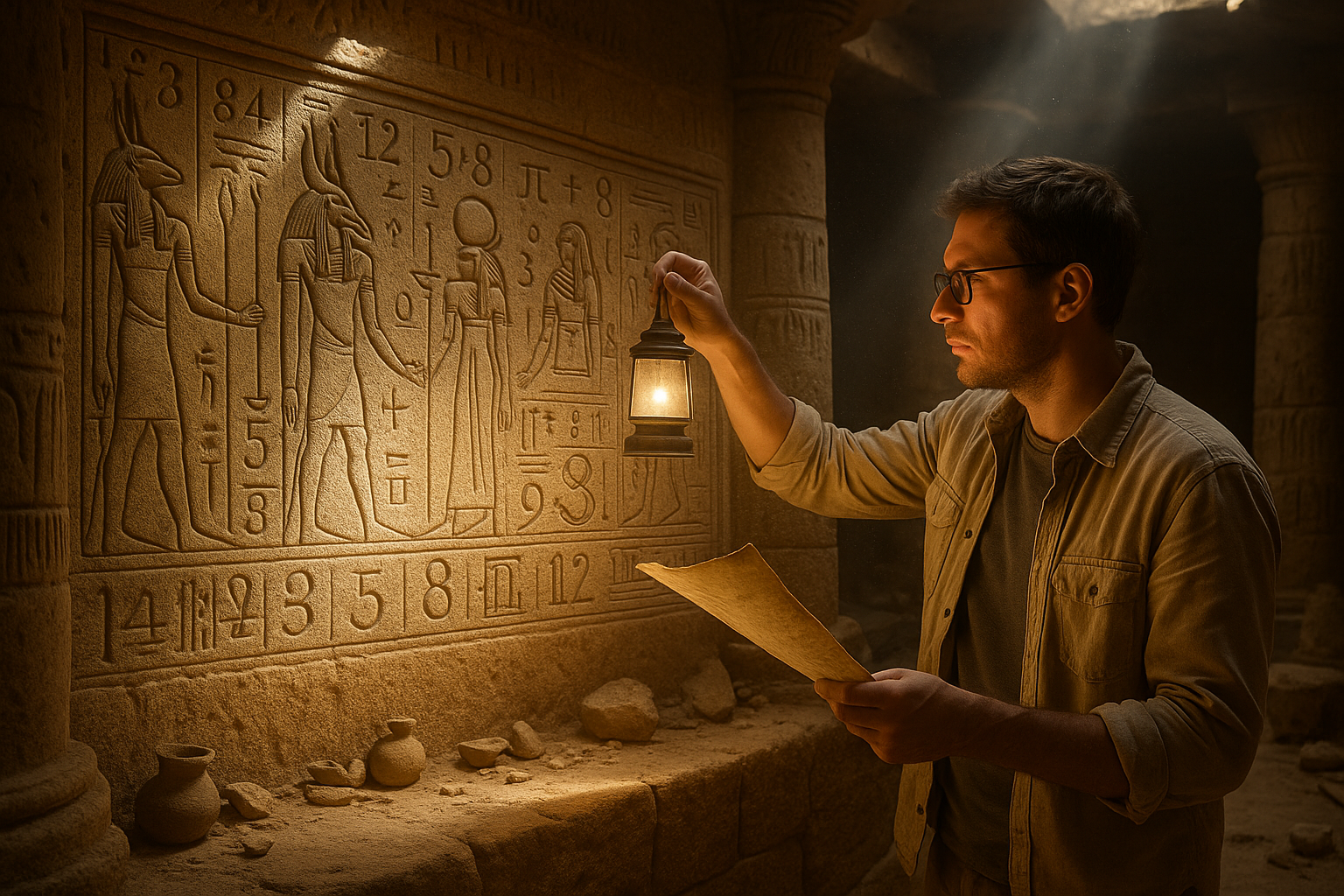
The journey begins with history, where we find that seven has been considered sacred since the dawn of time. From the biblical account of creation spanning seven days to the seven heavens of Islamic cosmology, the number permeates religious thought. Ancient Egyptians celebrated seven as a number of eternity, symbolized through their pyramids and rituals. These cultural intersections reveal a shared understanding of seven’s spiritual significance, one that continues to resonate today.
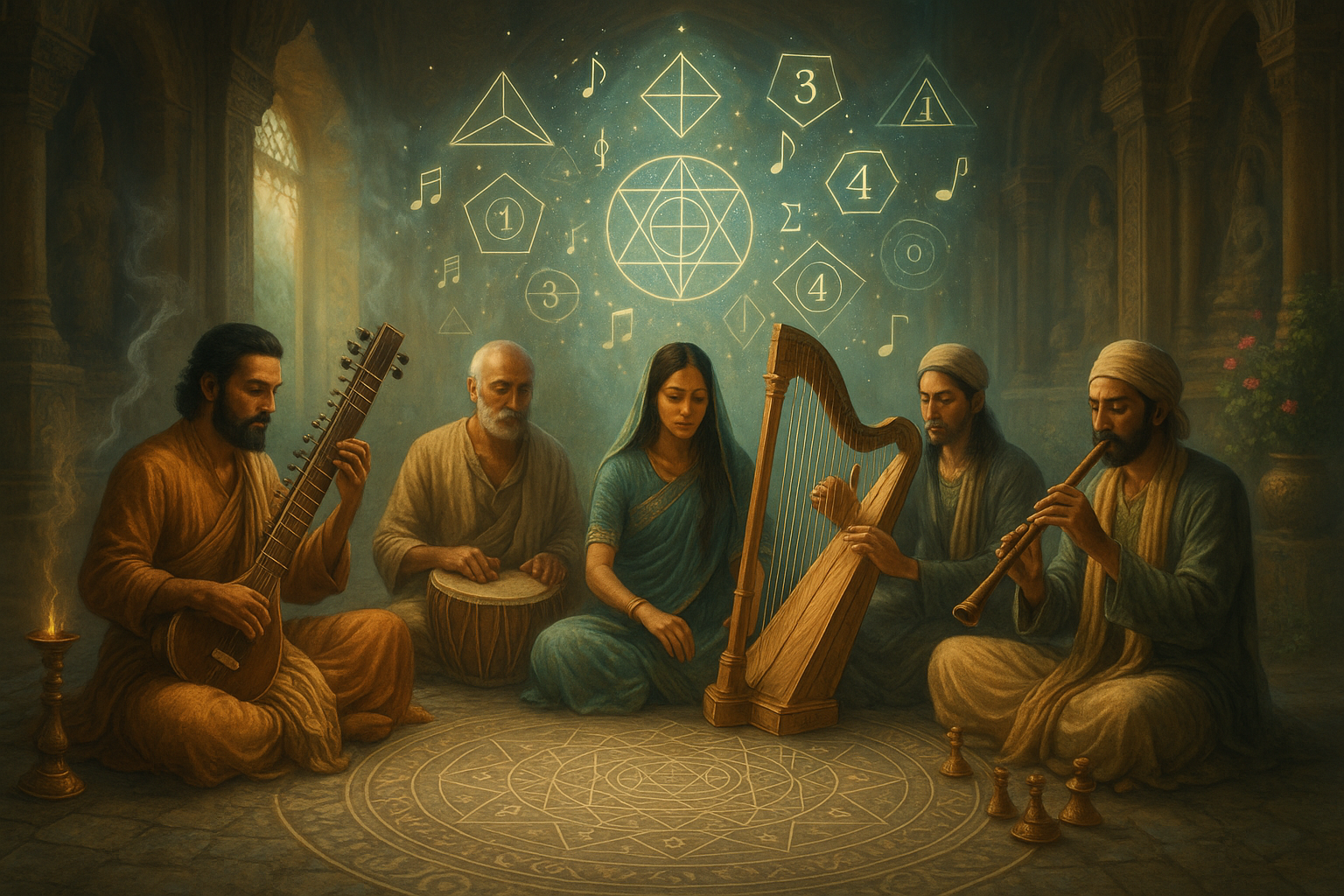
Beyond spirituality, the number seven finds its way into the natural world. Consider the seven continents and seven seas, which map the vastness of our Earth. The periodicity of the moon’s phases, repeating in cycles of seven days, also reflects this natural order. Even in music, the diatonic scale comprises seven notes, forming the backbone of countless compositions. 🎵 Here, seven represents harmony and balance, a recurring theme in our exploration.
Then there’s the influence of seven in human behavior and psychology. Researchers have long studied the cognitive appeal of the number, noting that people often favor it when asked to pick a number between one and ten. This preference is not just anecdotal but rooted in the psychology of memory and perception. The “magic number seven, plus or minus two” is a concept in cognitive psychology that suggests our short-term memory is most efficient when dealing with about seven items. This insight reveals the innate comfort and familiarity we associate with seven.
In literature and folklore, seven weaves its way through narratives, embodying mystery and adventure. From the seven dwarfs in fairy tales to the seven horcruxes in the Harry Potter series, this number often signifies pivotal points or characters. Such recurring motifs underscore the narrative power that seven holds, captivating audiences and enriching storytelling with layers of meaning.
Furthermore, seven plays a crucial role in modern-day traditions and customs. Think about the significance of the number in weddings, where seven vows or steps might symbolize a couple’s commitment. In sports, the number often denotes excellence, with many athletes donning the number seven jersey as a badge of honor. These examples reflect the enduring legacy of seven in contemporary life, bridging the past with the present.
As we unravel these connections, it becomes clear that the power of seven is not just a relic of ancient thought but a dynamic force that continues to shape our world. 🌍 Its influence is woven into the fabric of societies, echoing across time and space, uniting diverse cultures under a shared symbol of unity and completeness.
In the subsequent sections of this article, we will delve deeper into each of these facets. We will examine how different cultures interpret the number seven, explore its scientific underpinnings, and uncover its role in modern art and entertainment. By the end, you’ll gain a newfound appreciation for the pervasive influence of this sacred number and its timeless appeal.
Join us as we embark on this fascinating exploration of the number seven, a journey that promises to enlighten, inspire, and perhaps even transform your understanding of the world. Let’s unlock the mysteries and embrace the magic of seven, discovering how this powerful number continues to guide and influence our lives in ways both seen and unseen.
Conclusion
## Conclusion
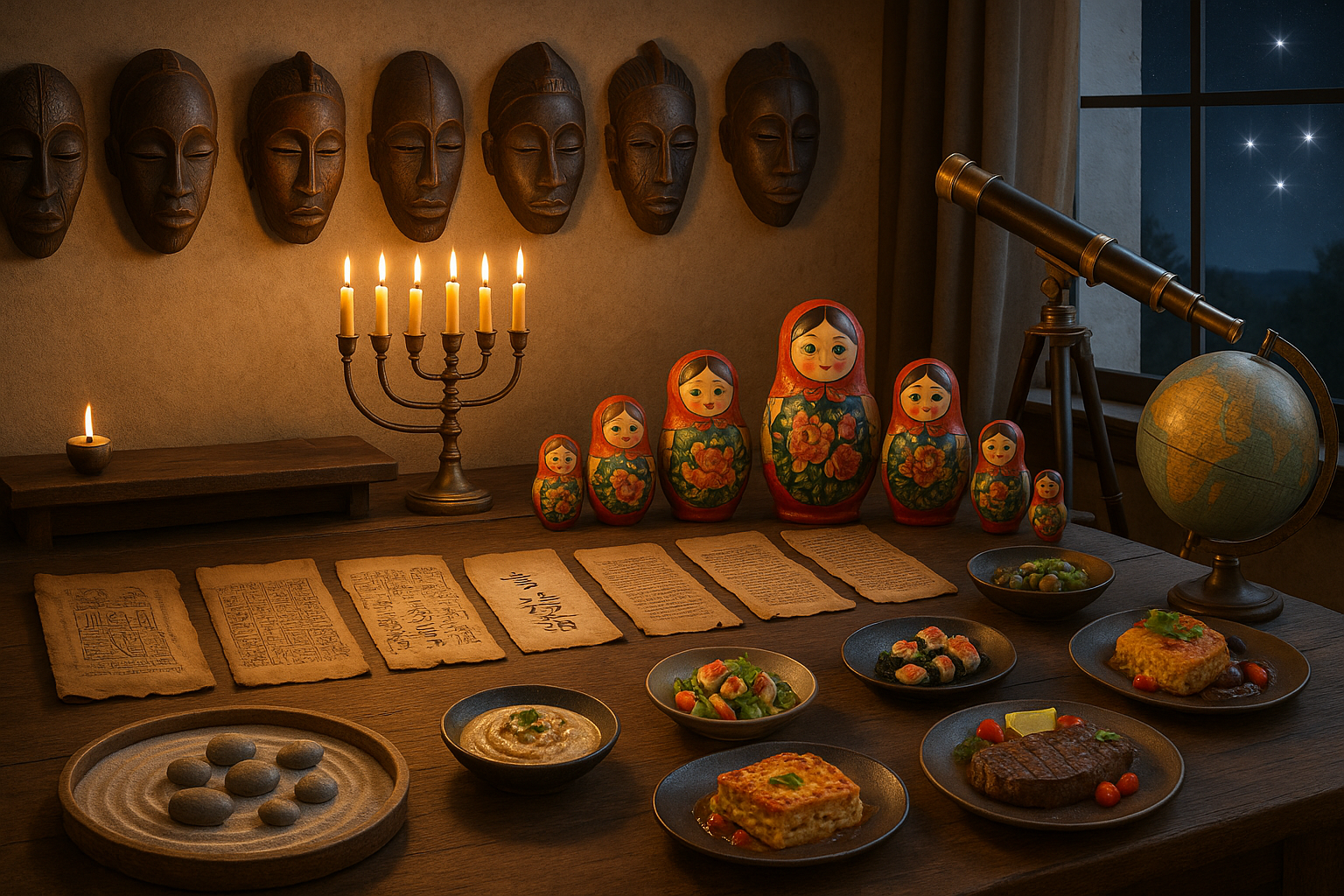
The influence of the Sacred Seven extends far beyond religious texts and ancient traditions, weaving itself into the fabric of our modern world in ways both obvious and subtle. From the seven continents we inhabit to the seven colors of the rainbow that inspire our art, from the seven musical notes that form the foundation of our melodies to the seven days that structure our weeks, this mystical number continues to shape how we organize and understand our reality. Its presence in major world religions, spanning Christianity, Islam, Hinduism, and Buddhism, demonstrates a remarkable convergence of human thought across vastly different cultures and time periods. Whether this universal appeal stems from psychological patterns, practical necessity, or something more profound, the number seven has undeniably earned its place as one of humanity’s most significant symbols.
Looking at the modern landscape, we can see that our fascination with the Sacred Seven hasn’t diminished with time. Contemporary society continues to embrace this number in countless ways, from the seven wonders of the ancient and modern world to the seven-year cycles that mark significant life transitions. Businesses leverage its power in branding and marketing, educators use it to create memorable frameworks like the seven habits of highly effective people, and storytellers continue to employ it as a narrative device that resonates with audiences worldwide. The number appears in our technological interfaces, our healthcare systems with seven hours of sleep recommendations, and even in our entertainment through the seven-book or seven-season series that captivate millions.
The Sacred Seven’s enduring global influence reminds us that despite our differences, humanity shares common threads of understanding that transcend borders, languages, and eras, connecting us all through the timeless language of symbols and numbers.